John Peterson
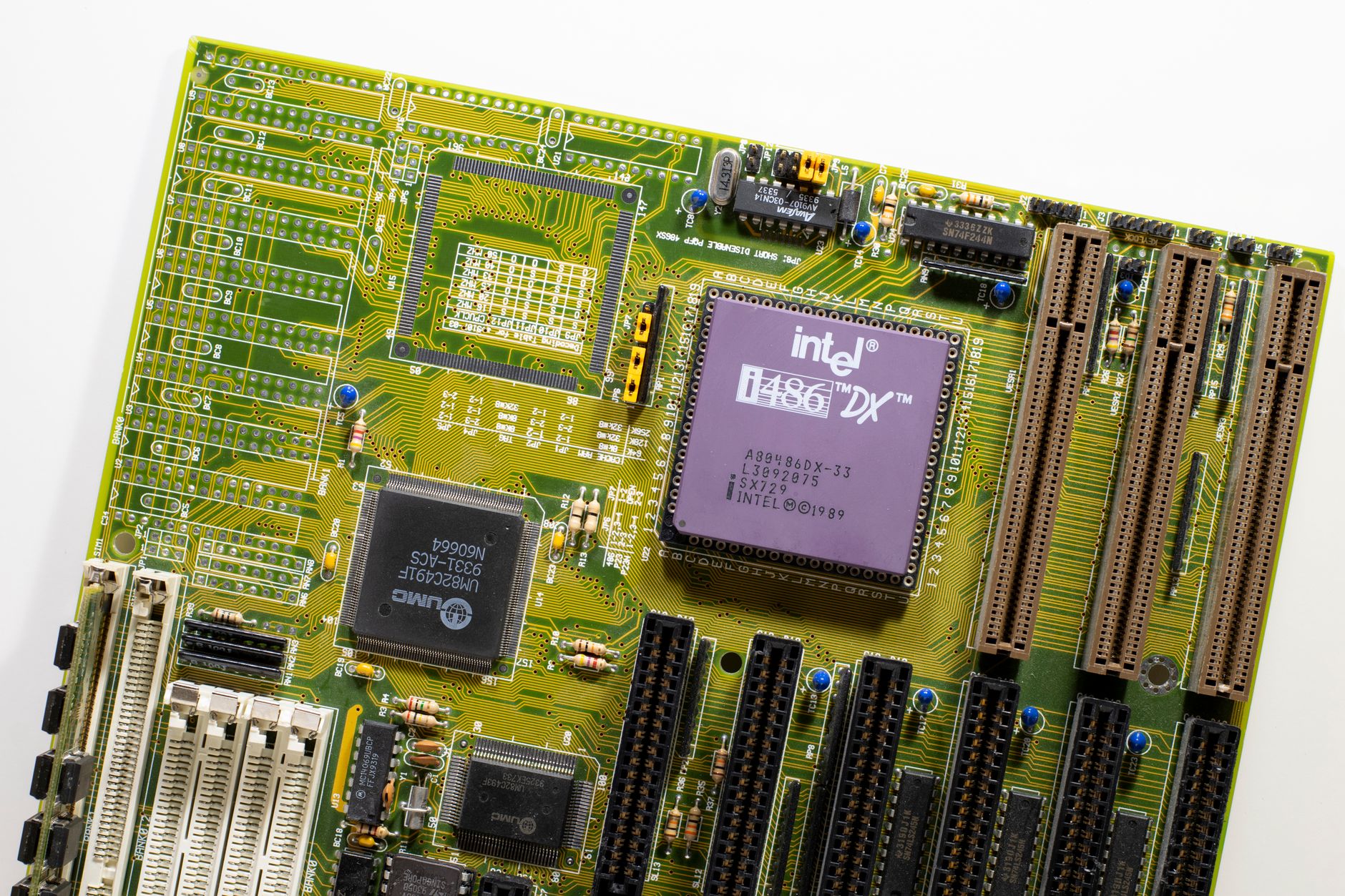
Intel layoffs are once again affecting employees across the globe. The recent announcement has raised concerns about job security and the future of the company.
Understanding the Reasons Behind Intel Layoffs
In recent months, the tech industry has faced numerous challenges, and Intel is no exception. The latest round of layoffs has left many employees grappling with uncertainty and anxiety about their future. Understanding the reasons behind these Intel layoffs is crucial for grasping the broader implications for the company and its workforce.
Several factors have contributed to Intel’s decision to reduce its workforce:
- Market Competition: Intel has been facing fierce competition from companies like AMD and NVIDIA, which have gained significant market share in the semiconductor industry.
- Supply Chain Issues: Ongoing global supply chain disruptions have hindered production capabilities, leading to increased costs and reduced profitability.
- Technological Shifts: The rapid advancement of technology requires continuous innovation; however, Intel has struggled to keep pace with emerging trends such as AI and cloud computing.
- Cost-Cutting Measures: In an effort to improve its financial standing, Intel has implemented aggressive cost-cutting strategies, which unfortunately include layoffs.
The impact of these layoffs extends beyond immediate job losses, affecting morale and the overall culture within the company. As Intel navigates these turbulent waters, it is essential for stakeholders to recognize the challenges and opportunities that lie ahead.
Impact of Intel Layoffs on the Tech Industry
The recent wave of Intel layoffs has sent shockwaves throughout the tech industry, raising concerns about job security and market stability. As one of the largest semiconductor manufacturers, Intel’s decisions have far-reaching implications that extend beyond its own workforce.
Experts suggest that these layoffs could exacerbate existing challenges within the tech sector. Key impacts include:
- Supply Chain Disruptions: With Intel reducing its workforce, the production of critical components may be hindered, affecting various technology companies reliant on their chips.
- Investor Confidence: Continuous layoffs can create uncertainty among investors. The perception of instability may lead to decreased stock prices and a lack of investment in innovation.
- Talent Migration: Skilled workers laid off from Intel may flood the job market, leading to increased competition for positions in other tech firms. This could potentially benefit rival companies but also destabilize the workforce.
- Innovation Slowdown: When large companies like Intel cut jobs, research and development may suffer. A reduced workforce can slow down innovation, which is crucial for maintaining technological leadership.
As the tech industry grapples with the impact of Intel’s layoffs, stakeholders are left to wonder how these changes will shape the future landscape of technology.
Employee Reactions to Intel Layoffs
As news of the latest Intel layoffs spreads, employee reactions have been mixed, reflecting a blend of shock, anxiety, and resilience. Many workers, who have dedicated years to the company, express feelings of betrayal and uncertainty about their futures.
One employee, who wished to remain anonymous, conveyed the emotional toll the layoffs have taken: “It feels like everything we’ve worked for is being dismantled overnight. It’s hard to understand why this is happening, especially after all the promises made about job security.”
Others are more pragmatic, acknowledging the competitive nature of the tech industry. A software engineer noted, “While it’s tough to see colleagues laid off, I understand that companies must adapt to market changes. It’s just unfortunate that so many talented people are affected by these Intel layoffs.”
In response to the layoffs, some employees have started to organize support groups, fostering a sense of community during this challenging time. They share resources, job leads, and emotional support as they navigate the uncertain job market.
Additionally, many workers are turning to online platforms to voice their concerns and experiences. Social media has become a space for sharing stories, highlighting the human side of the layoffs and the impact on families and livelihoods.
As the situation unfolds, it remains clear that the human cost of the Intel layoffs is profound, leaving a lasting impression on those affected.
Future Prospects for Intel and Its Workforce
The future prospects for Intel and its workforce remain uncertain as the company grapples with ongoing challenges in the competitive tech landscape. As the latest round of Intel layoffs unfolds, many employees are left questioning their job security and the long-term viability of their roles within the organization.
Analysts predict that Intel’s strategic decisions in the coming months will be critical in determining the company’s ability to rebound from recent setbacks. The company is expected to focus on several key areas:
- Innovation: Investing in research and development to enhance product offerings and regain market share.
- Cost Management: Streamlining operations to improve efficiency and reduce overhead costs, which may include further workforce adjustments.
- Partnerships: Collaborating with other tech firms to leverage shared resources and expertise, potentially creating new opportunities for employees.
However, the workforce is becoming increasingly concerned about the impact of these changes. The sentiment among employees is one of anxiety, as many fear that further layoffs may be on the horizon. Industry experts suggest that Intel must prioritize employee morale and retention to foster a sense of stability during this turbulent time.
Ultimately, the company’s ability to navigate these challenges will be pivotal in shaping its future and the livelihoods of its workforce.
What This Means for Job Seekers in Tech
The recent Intel layoffs have sent shockwaves through the tech community, raising significant concerns for job seekers in the industry. As one of the largest semiconductor manufacturers globally, Intel’s workforce reductions could signal a troubling trend that may impact employment opportunities across various tech sectors.
For those currently seeking positions in technology, the implications of these layoffs are profound. The immediate aftermath typically results in a saturated job market, where skilled professionals previously employed by Intel may flood the job search landscape.
Job seekers should consider the following:
- Increased Competition: With many experienced professionals available, candidates may face stiffer competition for roles that were already challenging to secure.
- Shifts in Demand: As certain areas of tech may feel the ripple effects of these layoffs, job seekers should be aware of shifting demand for specific skills, particularly in semiconductor design and manufacturing.
- Networking Opportunities: The situation presents an opportunity for job seekers to network with former Intel employees, potentially leading to collaborative projects or new job opportunities.
- Reskilling and Upskilling: Candidates may benefit from pursuing additional training or certifications to stand out in a more competitive market.
In summary, the Intel layoffs represent a significant moment for tech job seekers, necessitating strategic adaptations in their job search approaches.
The Intel layoffs have left many employees struggling to find new job opportunities in a challenging market. As the dust settles, the true impact of the Intel layoffs on morale and workplace culture is becoming increasingly apparent.
Photo by Nicolas Foster on Pexels