John Peterson
bull market recovery is on the minds of many investors after a significant Rs 30 lakh crore has been wiped out. Understanding the factors influencing this downturn is essential for strategizing future investments.
Understanding the Current Market Trends
The current financial landscape is witnessing significant fluctuations, prompting investors to reevaluate their strategies. With approximately Rs 30 lakh crore wiped out in recent weeks, the concept of a bull market recovery seems increasingly distant for many. The recent six-week selling rut has left traders and analysts pondering the necessary steps to restore confidence in the market.
Several factors are influencing the current trends:
- Economic Indicators: Key economic indicators such as inflation rates and employment figures have shown mixed signals, complicating the outlook for investors.
- Global Events: Geopolitical tensions and international trade disputes continue to create uncertainty, impacting market performance.
- Investor Sentiment: The prevailing negative sentiment has led to increased volatility, making it difficult for bulls to gain momentum.
- Interest Rates: Rising interest rates have resulted in higher borrowing costs, further dampening consumer spending and business investments.
In light of these challenges, many experts suggest that a bull market recovery will require not only improved economic conditions but also a shift in investor psychology. As traders look for signs of stability, the path to recovery may be longer than anticipated, with patience becoming a crucial virtue in the current market climate.
Factors Behind Recent Market Decline
The recent market decline has left many investors questioning the stability of their portfolios. Several factors have contributed to this downturn, raising concerns about the potential for a bull market recovery.
- Economic Uncertainty: Fluctuations in inflation rates and interest rates have created an environment of uncertainty. Investors are apprehensive about future economic growth, leading to reduced confidence in the stock market.
- Geopolitical Tensions: Ongoing geopolitical issues, including trade disputes and military conflicts, have added to market volatility. These tensions can disrupt global supply chains and impact corporate earnings.
- Corporate Earnings Reports: Recent earnings reports have fallen short of expectations, with many companies citing rising costs and supply chain challenges. This has resulted in skepticism about the sustainability of profit margins.
- Investor Sentiment: The overall sentiment among investors has shifted towards caution. Many are opting to sell off assets in favor of safer investments, further amplifying market declines.
- Regulatory Changes: Potential regulatory changes in various sectors can also create uncertainty. Investors are wary of how new policies may affect their investments in the near future.
As these factors continue to play a significant role in shaping market dynamics, the path to a bull market recovery remains uncertain.
Expert Opinions on Recovery
As investors navigate the challenging landscape following a significant market decline, expert opinions on the potential for a bull market recovery have become increasingly vital. Many analysts are now weighing in on what it will take for the market to regain its footing after a staggering loss of Rs 30 lakh crore over the past six weeks.
According to financial strategist Linda Ramirez, the path to recovery may be more complex than many anticipate. “The market is currently experiencing a correction phase, which often precedes a bull market recovery. However, it requires a combination of factors to catalyze this shift,” she explained.
Additionally, market analyst James Lee emphasized the importance of investor sentiment. “A bullish recovery is heavily dependent on consumer confidence and institutional buying. If investors continue to hold back due to uncertainty, we may see prolonged volatility,” he noted.
Many experts have identified key indicators to watch:
- Strong corporate earnings that can boost confidence.
- Government policy changes that support market stability.
- Interest rate adjustments that could stimulate borrowing and spending.
Ultimately, the consensus suggests that while challenges remain, a bull market recovery is possible if the right conditions emerge in the coming months.
Investment Strategies During Downturns
In times of significant market downturns, such as the recent phase where Rs 30 lakh crore was wiped out, investors often find themselves at a crossroads. Adopting the right investment strategies is crucial during these challenging periods to navigate the uncertainty and position for a potential bull market recovery.
One effective strategy is to diversify investments. By spreading investments across various asset classes, including stocks, bonds, and real estate, investors can mitigate risks associated with a single market segment. This approach helps to cushion portfolios from severe volatility.
Another strategy is to focus on value investing. During downturns, many stocks become undervalued, providing opportunities for savvy investors to buy at lower prices. Researching fundamentally strong companies with solid balance sheets can yield significant returns when the market eventually rebounds.
Additionally, maintaining a long-term perspective is vital. Short-term fluctuations can be disheartening, but history shows that markets typically recover. Investors should resist the urge to panic sell and instead consider holding onto quality investments.
Lastly, using dollar-cost averaging can be beneficial. Investing a fixed amount regularly, regardless of market conditions, can lower the average cost per share and reduce the impact of volatility over time.
By implementing these strategies, investors can better prepare for a potential bull market recovery and safeguard their financial futures.
Predictions for the Next Quarter
As investors brace for the upcoming quarter, predictions surrounding a potential bull market recovery reveal a mix of cautious optimism and concern. Analysts are closely monitoring key economic indicators that could influence market performance.
- Inflation Rates: Continued fluctuations in inflation rates will play a significant role in shaping investor sentiment. A decrease in inflation could signal a more stable economic environment, fostering confidence among investors.
- Interest Rates: The Federal Reserve’s stance on interest rates will be pivotal. If rates remain high, borrowing costs may hinder consumer spending and business investment, which can slow down recovery efforts.
- Corporate Earnings: Upcoming earnings reports will provide insights into how companies are weathering the current economic climate. Strong earnings could bolster confidence and support a bull market recovery.
- Global Economic Conditions: International markets and geopolitical tensions will also affect investor behavior. Any signs of stability in global trade may positively influence market recovery.
Experts suggest that while a bull market recovery is possible, it may take time for markets to regain momentum. Investors are advised to remain vigilant and adaptable to changing conditions, as the next quarter could prove to be a pivotal moment in determining the longevity of the current market trends.
How to Identify Bull Market Signals
Identifying bull market signals can be crucial for investors looking to navigate the tumultuous landscape of stock trading, especially during a recovery phase. A bull market recovery often shows distinct characteristics that signal a shift in market sentiment.
Key indicators to watch for include:
- Increased Trading Volume: A noticeable rise in trading volume can indicate growing investor confidence. When more shares are being bought and sold, it often suggests a stronger interest in the market.
- Positive Market Sentiment: Look for an improvement in investor sentiment, often reflected in market surveys and consumer confidence indices. A shift from pessimism to optimism can indicate that a recovery is underway.
- Consistent Price Gains: In a recovering bull market, stocks typically show consistent upward price movements over time. Investors should pay attention to sustained gains rather than short-lived spikes.
- Sector Rotation: As markets recover, capital often flows into sectors that were previously underperforming. Tracking these shifts can provide insights into which industries are leading the recovery.
Understanding these signals is essential for investors hoping to capitalize on the potential of a bull market recovery, especially after a prolonged period of decline.
Lessons from Previous Market Recoveries
As investors reflect on the recent downturn, it’s crucial to learn from previous market recoveries. History shows that bull market recoveries often follow periods of significant decline, but the path to recovery can be fraught with uncertainty.
One key lesson from past recoveries is the importance of patience. A bull market recovery typically takes time, and those who panic during downturns may miss out on substantial gains when the market rebounds. Investors should remember:
- Market Sentiment: Recovery often begins with a shift in investor sentiment, as confidence slowly returns. During this phase, it is vital to assess whether the changes in sentiment are backed by strong economic fundamentals.
- Sector Rotation: Historical patterns indicate that certain sectors lead during recoveries. Identifying and investing in these sectors can significantly enhance returns.
- Long-Term Focus: Investors who maintain a long-term perspective tend to weather the volatility better. Short-term fluctuations should not deter a well-constructed investment strategy.
- Risk Management: Keeping a diversified portfolio can help mitigate risks associated with market fluctuations during the recovery phase.
Ultimately, a bull market recovery can present profitable opportunities for those who are prepared and informed, despite the challenges that lie ahead.
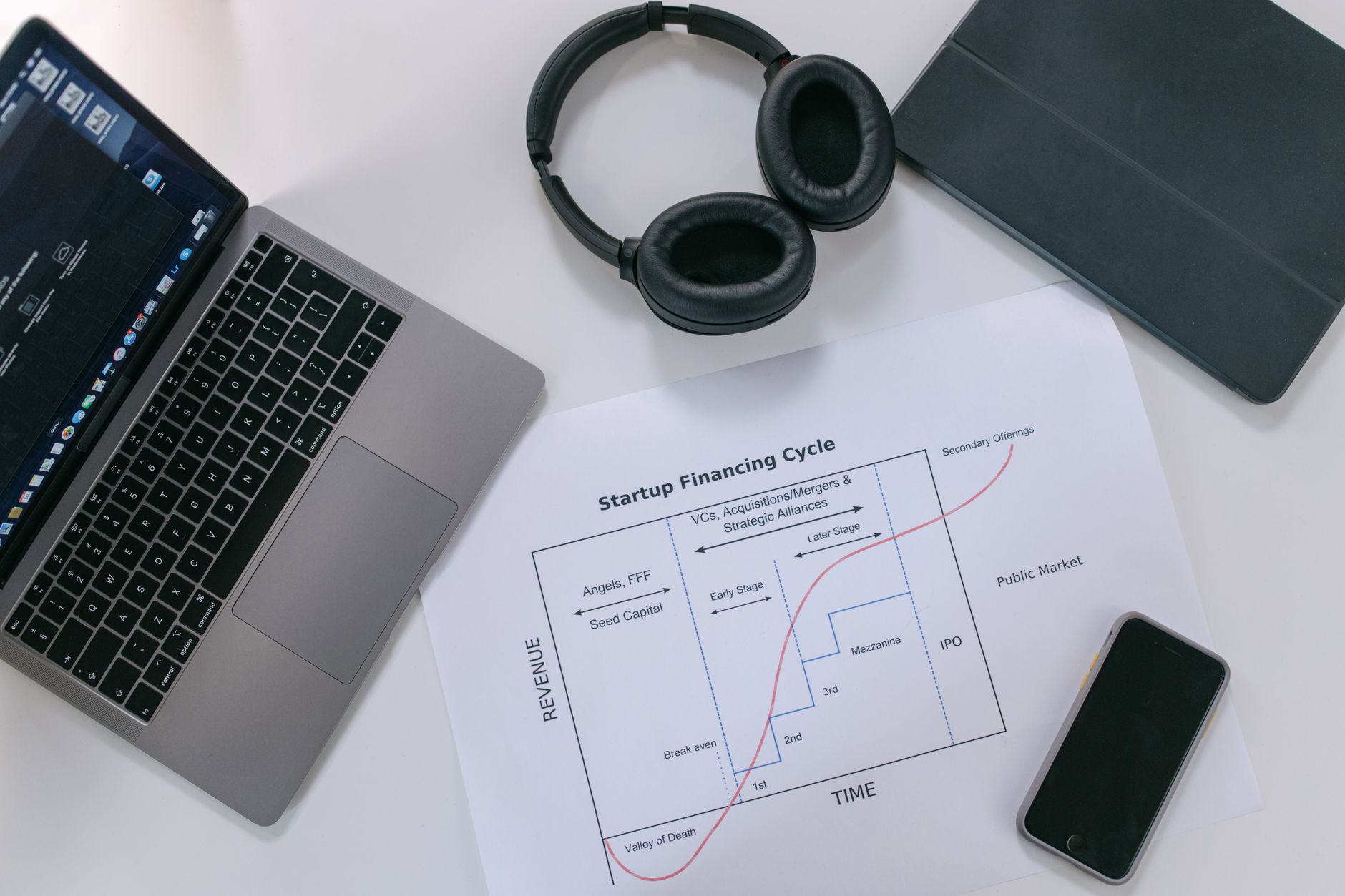
Photo by Emilio Sánchez Hernández on Pexels