John Peterson
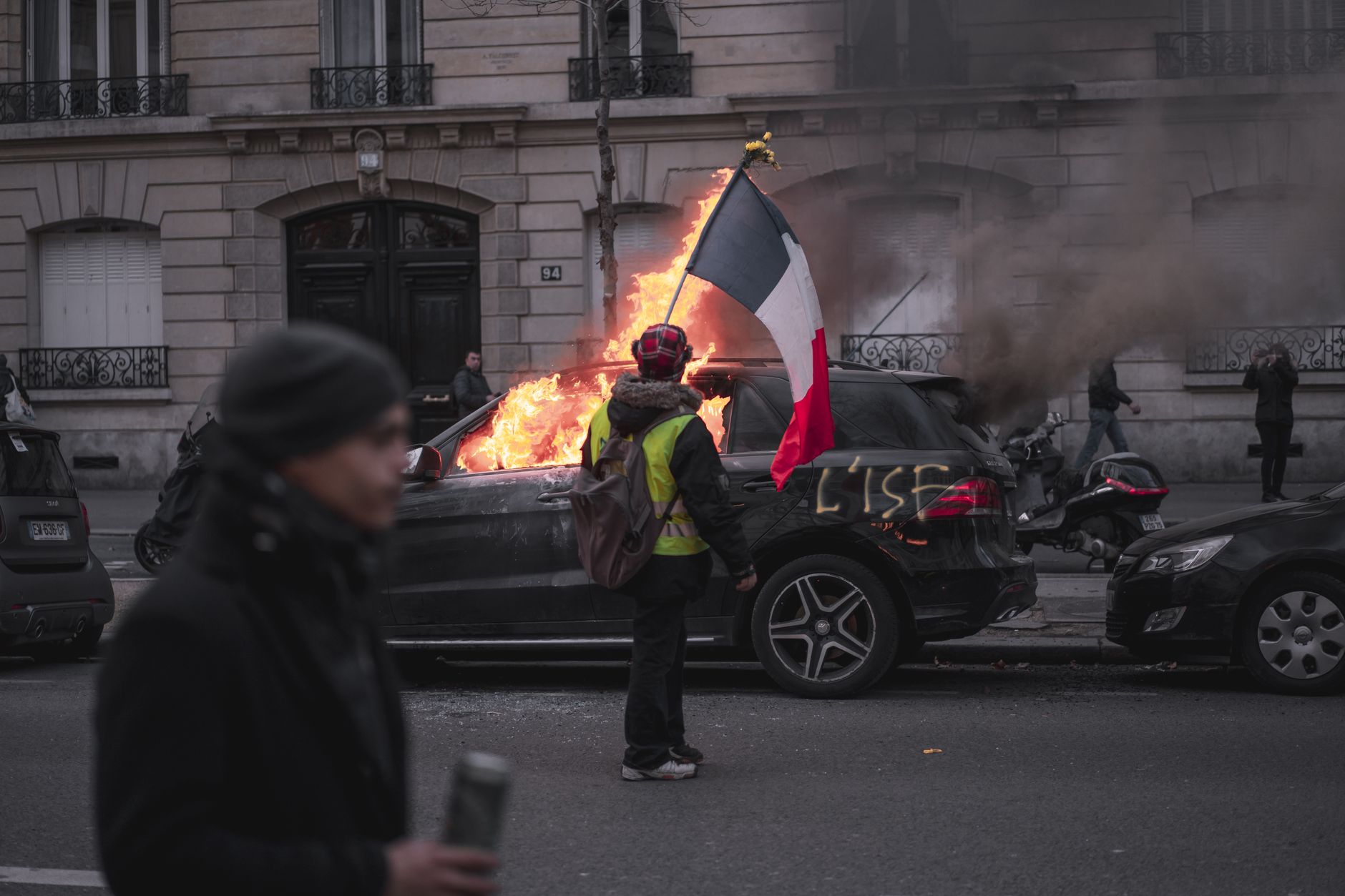
France unrest has captured global attention, but beneath the surface lies an even more dangerous phenomenon that could reshape the future.
Understanding the Causes of France Unrest
The recent upheaval in France has not only captured headlines but has also revealed deeper societal issues that fuel the ongoing unrest. Understanding the causes of this unrest requires a closer examination of several interconnected factors.
- Economic Disparities: Widespread income inequality has created a significant divide between various social classes. Many citizens feel left behind as the cost of living rises while wages stagnate.
- Police Brutality: Incidents of police violence have exacerbated tensions, particularly in marginalized communities. This has led to a growing distrust between citizens and law enforcement.
- Political Disillusionment: A general sense of dissatisfaction with the government’s handling of critical issues has left many feeling voiceless. Citizens are increasingly frustrated with policies they deem ineffective or unjust.
- Immigration and Integration Challenges: France has grappled with integrating its diverse population, leading to cultural clashes and feelings of alienation among various groups.
- Social Media Influence: The rapid dissemination of information and the ability to organize protests through social media have played a crucial role in mobilizing unrest, often amplifying grievances.
As these factors intertwine, they contribute to a volatile environment, highlighting the urgent need for dialogue and reform to address the root causes of the unrest in France.
Economic Consequences of Unrest in France
The ongoing France unrest has not only captured headlines but also revealed the underlying economic vulnerabilities that threaten the nation’s stability. As protests and riots continue, the economic repercussions are becoming increasingly evident.
One of the most immediate effects of the unrest is the disruption of local businesses. Many shops and restaurants have faced vandalism and looting, leading to significant losses. In particular, small businesses, which are the backbone of the French economy, are struggling to recover amid the chaos.
Furthermore, the tourism sector, a vital component of France’s economy, is experiencing a downturn as visitors hesitate to travel to areas affected by unrest. This decline in tourism can lead to:
- Job losses: Employees in the hospitality and service industries may face furloughs or layoffs due to decreased customer flow.
- Decreased revenue: Local economies that rely heavily on tourism are seeing a stark drop in income, affecting their ability to sustain operations.
- Investment declines: Foreign investors may pull back from the market, fearing instability, which could hinder future growth opportunities.
In the long run, the social unrest in France threatens to deepen existing economic divides, potentially leading to a cycle of poverty and unrest that could further destabilize the nation.
Social Dynamics Behind the Protests
The social dynamics behind the protests in France reveal a complex web of underlying grievances and discontent. While the immediate triggers may stem from economic hardships and political decisions, the unrest is also fueled by deep-seated issues within society.
Many citizens feel disconnected from their government and believe their voices are not being heard. This sentiment is particularly strong among younger generations, who are struggling with high unemployment rates and limited opportunities. Marginalized communities have also expressed frustration regarding systemic inequality, which has exacerbated tensions and contributed to the unrest.
In addition, social media plays a pivotal role in shaping perceptions and mobilizing protests. Platforms allow for rapid dissemination of information, enabling individuals to organize protests and share their experiences. This digital landscape has transformed the nature of activism, making it more accessible and immediate.
The protests are not merely a reaction to current policies; they reflect a broader struggle for identity and belonging. Many protesters are voicing their dissatisfaction with a perceived erosion of traditional values and a sense of cultural displacement.
As the unrest continues, it becomes apparent that these social dynamics are a significant factor. Understanding the nuances of these relationships is crucial for addressing the root causes of the unrest in France and navigating towards a peaceful resolution.
The Hidden Threat Below the Surface
The recent wave of protests in France has unveiled a hidden threat simmering beneath the surface. While the immediate causes of the unrest are often linked to economic grievances and social disparities, a more insidious issue is at play, threatening to undermine the very fabric of French society.
At the core of this unrest lies a growing disillusionment with traditional political structures. Many citizens feel alienated from their leaders, believing that their voices are no longer heard. This disconnect fosters a dangerous environment where radical ideologies can flourish, leading to increased polarization among the populace.
Moreover, the rise of social media has amplified these sentiments, creating echo chambers that further entrench divisive views. As people turn to online platforms for information, they often encounter extreme narratives that fuel unrest. This digital landscape serves both as a catalyst for mobilization and a breeding ground for misinformation.
Additionally, the challenges presented by immigration and integration have exacerbated tensions. Marginalized communities often experience a sense of exclusion, which can lead to frustration and unrest. The interplay of these factors contributes to a volatile atmosphere, one that is not solely defined by the protests themselves but by the underlying issues that drive them.
Understanding this hidden threat is crucial. The unrest in France is not just a fleeting moment of chaos; it is a manifestation of deeper societal fractures that must be addressed to prevent future discord.
Global Reactions to France’s Situation
The recent unrest in France has not only captured domestic attention but has also elicited strong reactions from around the globe. Leaders and organizations are closely monitoring the situation, expressing concern over the potential for instability to spread beyond French borders.
International Condemnation: Various countries have condemned the violence and urged the French government to engage in peaceful dialogue with the protestors. Many foreign leaders have emphasized the importance of addressing the root causes rather than resorting to force.
Support for Protestors: Activist groups worldwide have shown solidarity with the demonstrators, sharing messages on social media and organizing rallies in support of France’s unrest. These groups argue that the protestors are fighting for fundamental rights and social justice.
Economic Implications: The unrest has prompted concerns among global markets, with investors wary of potential economic fallout. Analysts are observing how ongoing tensions could impact trade relations and economic stability not just in France, but across Europe.
- European Union Response: The EU has called for calm and urged member states to collaborate on addressing similar grievances within their own borders.
- Media Coverage: International media outlets are extensively covering the situation, highlighting the complexities of social discontent.
As the situation evolves, the eyes of the world remain firmly fixed on France, anticipating how this unrest will unfold and what it signifies for the future.
Future Implications for France and Beyond
The ongoing France unrest has far-reaching implications that extend beyond the borders of the nation. As the protests continue to unfold, analysts are raising concerns about the potential for similar movements to arise in other countries, particularly those grappling with economic inequality and social discontent.
One major implication is the risk of a domino effect. Countries facing comparable challenges may see citizens inspired by the protests in France, leading to a wave of unrest that could destabilize regions already under strain. This phenomenon could exacerbate tensions and lead to further fragmentation within societies.
Additionally, the unrest has highlighted the fragility of democratic institutions. As citizens become increasingly disillusioned with their governments, the rise of populist movements may occur, challenging the status quo and altering political landscapes. This shift could lead to a new era of governance characterized by polarization and increased division.
Furthermore, the economic implications could spread as international markets react to instability in France. Investors may seek to withdraw from regions perceived as high-risk, which could have a cascading effect on global economies.
In conclusion, the future implications of the France unrest are multifaceted, posing threats not only to France itself but also to the broader international community. Vigilance and proactive measures will be essential to mitigate the potential fallout from this unprecedented situation.
How India Can Learn from France
The recent France unrest has unveiled critical lessons for other nations, particularly India, facing their own social and economic challenges. Understanding the root causes behind such upheavals can help prevent similar situations from escalating. Here are key takeaways for India:
- Engagement with Youth: The protests in France highlighted the importance of addressing the concerns of younger generations. India, with its vast youth population, must prioritize open dialogues and create platforms for their voices to be heard.
- Economic Inclusivity: Disparities in wealth and opportunity can lead to discontent. France’s unrest underscores the necessity for India to ensure that economic growth benefits all layers of society, particularly marginalized communities.
- Addressing Grievances: The French protests were fueled by unmet demands. India should adopt proactive measures in governance to recognize and address grievances before they escalate into widespread discontent.
- Strengthening Civil Society: A robust civil society can act as a buffer against unrest. India should encourage civic engagement and empower organizations that work towards peaceful discourse.
- Education and Awareness: Promoting political and social education can help citizens understand their rights and responsibilities, fostering a more informed populace that can engage constructively with the state.
By learning from the unrest in France, India can take significant steps towards fostering stability and ensuring that its diverse population feels valued and heard.
The recent wave of France unrest has revealed underlying issues that have long been ignored by the government. As citizens take to the streets, the France unrest exposes a deep-seated frustration with social inequality and political discontent.
Photo by Alotrobo on Pexels