John Peterson
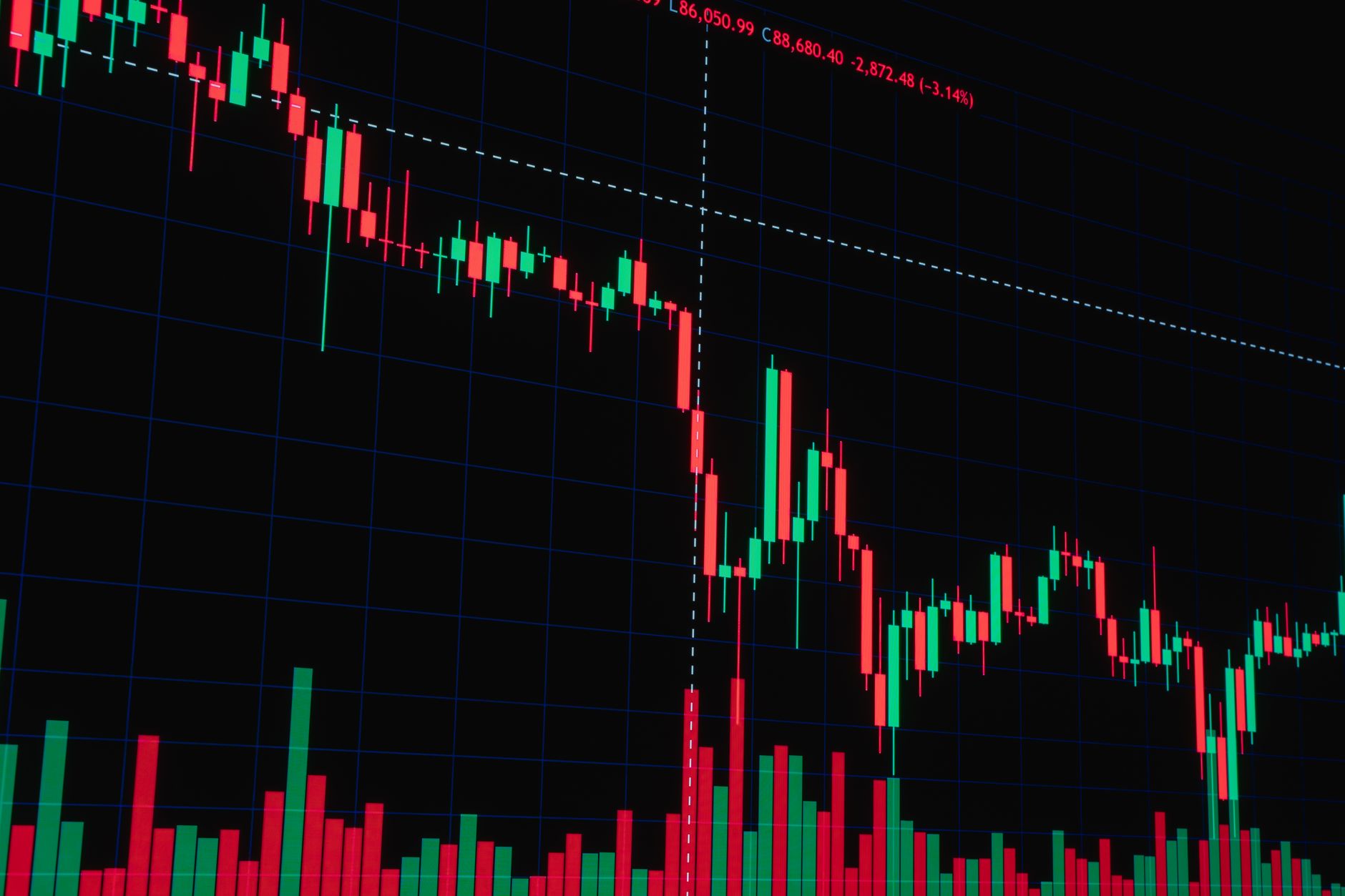
stock market down today has left many investors in shock as they witness significant losses. With ₹4 lakh crore wiped out, understanding the reasons behind this crash is crucial.
Understanding Today’s Market Crash
Today, the stock market is down significantly, with investors witnessing a massive crash that has resulted in the erosion of wealth. The Sensex and Nifty indices have taken a considerable hit, causing widespread concern among market participants. Experts attribute the downturn to a combination of factors that have created a perfect storm for investors.
Firstly, there has been a notable increase in global economic uncertainty, particularly influenced by geopolitical tensions and fluctuating commodity prices. This has led to a lack of confidence in the market, prompting many investors to sell off their holdings.
Secondly, rising inflation rates have put additional pressure on the market, leading to fears of heightened interest rates. As borrowing costs increase, companies may struggle to maintain their profit margins, further contributing to the negative sentiment.
Moreover, analysts have reported that retail investors, who were previously optimistic, are now reevaluating their positions as they face significant losses. Today alone, investors have seen an estimated ₹4 lakh crore in wealth wiped out, highlighting the severity of the situation. As the stock market is down today, many are left wondering how long this trend will continue.
Top Reasons for the Stock Market Downturn
The recent turmoil in the financial landscape has left many wondering why the stock market is down today. Several factors have contributed to this alarming downturn, leading to significant wealth erosion for investors.
- Global Economic Concerns: Rising inflation rates and uncertainty in major economies have created a ripple effect, impacting investor confidence worldwide.
- Interest Rate Hikes: Central banks, in their efforts to combat inflation, have increased interest rates, making borrowing more expensive and slowing down economic growth.
- Corporate Earnings Miss: Several major companies reported lower-than-expected earnings, prompting fears about the overall health of the corporate sector.
- Geopolitical Tensions: Ongoing conflicts and trade disputes have added to the instability, causing investors to seek safer assets.
- Market Sentiment: A general sense of panic has led to a sell-off, as many investors rush to liquidate their holdings to minimize losses.
As a result, the cumulative effect of these factors has led to a significant drop in indices, raising alarms about the future of investment and prompting discussions about potential recovery strategies.
Impact on Investors and Wealth
The recent turmoil in the stock market down today has left many investors reeling from significant losses. In just one trading session, the market saw an erosion of approximately ₹4 lakh crore, highlighting the severity of the situation. This downturn has not only affected institutional investors but also everyday individuals who have their savings tied up in equities.
As the market continues to drop, the impact on personal wealth is becoming increasingly evident. Many investors are now questioning their strategies and the safety of their portfolios. Some of the key effects include:
- Loss of confidence: Many investors are feeling disillusioned, leading to panic selling and further driving down prices.
- Reduced spending power: With investments declining, individuals may cut back on discretionary spending, affecting the overall economy.
- Increased skepticism: New investors may be hesitant to enter the market, fearing further downturns and instability.
As the situation unfolds, it remains crucial for investors to stay informed and consider their options carefully to mitigate losses in this challenging environment.
Historical Context of Market Crashes
The stock market down today has echoes of previous historical crashes that have left investors reeling. Significant downturns in the market are not uncommon, and understanding their context can provide insights into current events.
Throughout history, several market crashes have dramatically impacted the economy and investor behavior. Notable incidents include:
- The Great Depression (1929): Triggered by a stock market crash, it resulted in widespread financial panic and led to severe economic hardship.
- Black Monday (1987): The market plummeted by over 22% in a single day, shocking investors and leading to regulatory changes.
- The Dot-Com Bubble (2000): The rapid rise and fall of technology stocks caused significant losses and a reevaluation of internet-based companies.
- The Financial Crisis (2008): Triggered by the collapse of housing prices, this crisis caused the stock market to plummet and eroded trillions in wealth.
Each of these events serves as a reminder of the volatility inherent in the stock market. Investors today are reflecting on these lessons as they navigate the current turmoil, with the stock market down today contributing to fears of a prolonged downturn.
What to Expect Moving Forward
As investors grapple with the news that the stock market is down today, many are left wondering what the future holds. The recent downturn has raised concerns about a potential prolonged period of volatility, impacting not only stock prices but investor sentiment as well.
Market analysts suggest that the following factors will influence the trajectory of the stock market:
- Economic Indicators: Upcoming reports on inflation and employment will be critical in determining the market’s next move.
- Monetary Policy: Any adjustments by central banks regarding interest rates could lead to further fluctuations.
- Global Events: Geopolitical tensions and international trade relations may also play a significant role in shaping market behavior.
- Investor Sentiment: The psychology of investors will be crucial; panic selling could exacerbate declines, while a return to confidence might stabilize the market.
Despite the uncertainty, experts advise investors to remain focused on long-term strategies rather than making impulsive decisions based on daily market fluctuations. The resilience of the stock market has been tested before, and history suggests it can recover from downturns over time.
The stock market down today has left investors scrambling to reassess their portfolios. As news of the downturn spreads, many are concerned about the long-term implications of the stock market down today on their financial futures.
Photo by Rafael Minguet Delgado on Pexels
Sources
You might also like
SK Hynix Shareholder Concerns: Is This the Worst Move? · Bitcoin Support Level: Proven Strategies to Navigate ETF Outflows · Jio Platforms IPO: Is It the Best Investment Opportunity?