John Peterson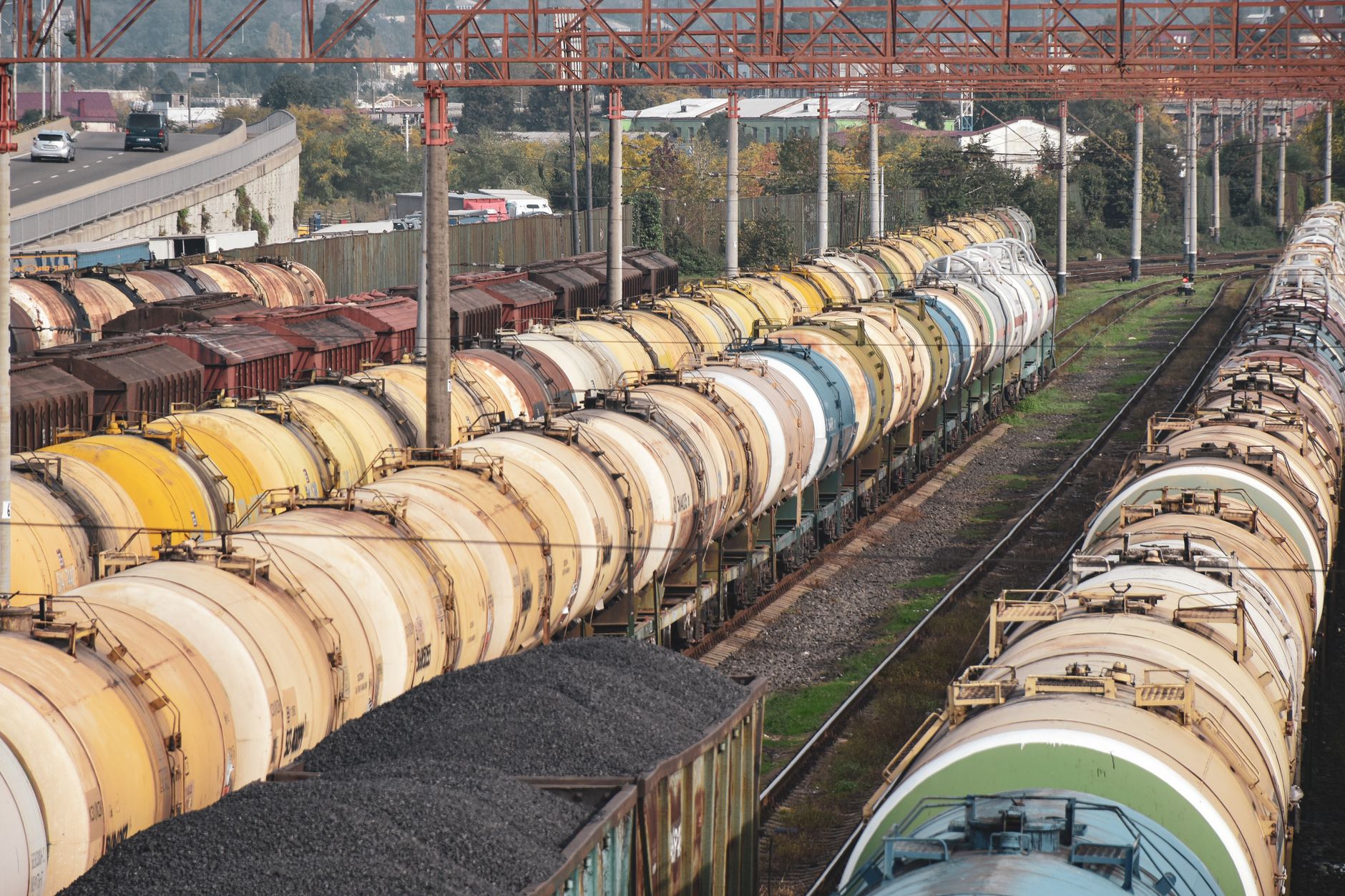
coal rail shipments are becoming increasingly vital as India grapples with dwindling power plant stocks. The surge in shipments aims to stabilize the country’s energy supply amid rising demand.
Current State of India’s Power Supply
India is currently facing a significant power crisis, with energy demand soaring amid a resurgence in economic activities. As temperatures rise and consumption increases, power plants are reporting dwindling coal stocks, leading to widespread power outages in several regions.
In response to this urgent situation, the government has ramped up coal rail shipments to ensure that power plants receive adequate supplies. The logistics of transporting coal efficiently have become crucial, as delays could exacerbate the ongoing crisis. Key factors influencing the current power supply include:
- Increased energy demand due to industrial growth.
- Supply chain disruptions impacting coal availability.
- Government initiatives to enhance rail infrastructure for coal transport.
While coal remains a primary source of energy in India, the reliance on it raises concerns about sustainability and environmental impact.
Impact of Coal Rail Shipments
The recent surge in coal rail shipments has become a pivotal response to India’s ongoing power crisis. With energy demand escalating and power plant stocks dwindling, the reliance on coal transportation via rail has intensified.
Industry experts highlight several impacts of this approach:
- Increased Supply: Enhanced coal rail shipments aim to replenish dwindling inventories at power plants, ensuring a more stable energy supply.
- Transport Efficiency: Railways provide a cost-effective and efficient means of transporting large quantities of coal, crucial for meeting energy demands.
- Environmental Concerns: However, the environmental impact of ramping up coal production and transportation cannot be overlooked, raising questions about sustainability.
As coal rail shipments continue to rise, balancing immediate energy needs with long-term environmental goals remains a significant challenge for policymakers.
Government Response to Energy Shortages
In response to the ongoing energy shortages, the Indian government has implemented a series of measures aimed at increasing coal rail shipments to power plants across the country. With coal reserves at historically low levels, authorities are prioritizing the transportation of coal to ensure a stable supply of electricity for consumers and industries alike.
Officials have emphasized the importance of coal rail shipments in mitigating the current crisis, stating that enhanced logistics and coordinated efforts between railways and coal companies are crucial. Measures include:
- Streamlining loading and unloading processes at key coal mines and power stations.
- Increasing the number of trains dedicated to coal transport.
- Monitoring coal stock levels at power plants to ensure timely deliveries.
Despite these efforts, experts caution that reliance on coal as a primary energy source may not be a sustainable long-term solution for India’s growing energy demands.
Future of Coal in India
The future of coal in India remains a contentious topic as the country grapples with its energy demands. With coal rail shipments increasing to address immediate power shortages, many experts question the sustainability of this approach. While coal rail shipments provide a short-term solution, they may not align with long-term energy goals aimed at reducing carbon emissions.
India has ambitious plans to diversify its energy mix, including a significant investment in renewable energy sources. However, the reliance on coal raises concerns about environmental impacts and the country’s commitment to climate change initiatives.
Furthermore, the logistics of coal transportation can lead to bottlenecks, impacting timely deliveries to power plants. As India navigates its energy crisis, the balance between immediate needs and future sustainability remains crucial.
Challenges in Rail Transport
The surge in coal rail shipments has not come without its challenges. The logistical demands of transporting large quantities of coal across vast distances can lead to inefficiencies and delays. Many rail networks are already operating at full capacity, raising concerns about whether they can handle the increased load without sacrificing service quality.
Additionally, the condition of rail infrastructure poses significant hurdles. Frequent maintenance issues and outdated tracks can hinder timely deliveries, which are crucial during peak demand periods. Furthermore, the weather can play a disruptive role, with monsoons and extreme heat affecting train schedules and loading operations.
Lastly, there are environmental considerations. Increased coal transport raises emissions and pollution levels, prompting debate over the sustainability of relying heavily on coal rail shipments as a long-term solution for India’s energy needs.
Comparative Analysis of Energy Sources
In the quest to address the ongoing power crisis, a comparative analysis of various energy sources reveals both advantages and disadvantages. Traditional fossil fuels, particularly coal, continue to play a significant role in India’s energy landscape. While coal rail shipments have been ramped up to ensure power plants remain operational, they face scrutiny due to environmental concerns.
Renewable energy sources, such as solar and wind, offer sustainable alternatives but are still hindered by issues like intermittency and high initial investment costs. Nuclear energy presents a low-carbon option, yet public apprehension and lengthy approval processes slow its adoption.
Natural gas is another contender; however, its price volatility can impact energy security. Ultimately, while coal rail shipments may provide a short-term solution, a diversified energy portfolio is essential for long-term stability and sustainability in India’s power supply.
Photo by Artem Makarov on Pexels