John Peterson
RBI policy rates are expected to come under pressure following the Fed’s recent 25 bps rate hike. This development raises questions about the future direction of India’s monetary policy.
Impact of Fed Rate Hike
The recent decision by the Federal Reserve to increase interest rates by 25 basis points has significant implications for global monetary policy, particularly for the Reserve Bank of India (RBI). As the Fed tightens its policy, many analysts believe that the RBI will face mounting pressure to follow suit and adjust its own policy rates during the upcoming Monetary Policy Committee (MPC) meeting in October.
This rate hike by the Fed could lead to a series of consequences for the Indian economy, including:
- Capital Outflows: Higher yield in the US may attract foreign investments away from India, leading to potential capital flight.
- Inflationary Pressures: An uptick in global interest rates could further fuel inflation in India, compelling the RBI to raise rates to stabilize the economy.
- Currency Depreciation: The Indian Rupee may weaken against the US Dollar, putting additional strain on RBI’s policy decisions.
Market experts are closely watching these developments, as a change in RBI policy rates could significantly impact borrowing costs and economic growth. The balance between managing inflation and supporting growth will be crucial for the RBI’s upcoming decisions amidst these global pressures.
RBI’s Response to Global Trends
The Reserve Bank of India (RBI) is closely monitoring global economic trends, particularly the recent decision by the Federal Reserve to hike rates by 25 basis points. This move has intensified pressure on the RBI to adjust its own policy rates in the upcoming Monetary Policy Committee (MPC) meeting. Analysts are divided on whether the RBI should follow suit or adopt a more cautious approach.
Several factors influence the RBI’s potential response:
- Inflation Trends: Persistent inflationary pressures in India could necessitate a tightening of policy rates to maintain economic stability.
- Currency Stability: A rate hike by the Fed may lead to capital outflows from emerging markets, including India, prompting the RBI to support the rupee by adjusting its rates.
- Domestic Growth: The RBI must weigh the risks of slowing economic growth against inflation control, making the decision particularly challenging.
Moreover, the RBI’s response could set the tone for future monetary policy, influencing not just domestic markets but also international investor sentiment. As the October MPC meeting approaches, the anticipation surrounding RBI’s policy rates remains high, with many watching closely for signs of a shift in strategy.
History of RBI Rate Changes
The history of RBI rate changes reflects the central bank’s ongoing efforts to balance economic growth with inflation control. Over the past decade, the Reserve Bank of India (RBI) has implemented several adjustments to its policy rates, responding to varying economic conditions both domestically and globally.
In 2016, the RBI began a series of rate cuts to stimulate growth amid a slowdown. The repo rate was reduced from 6.75% to 6.25% in a bid to encourage lending and investment. However, as inflationary pressures mounted in subsequent years, the RBI had to reassess its stance, leading to rate hikes in 2018 to combat rising prices.
More recently, the RBI has faced challenges from international developments. The Federal Reserve’s interest rate hike in 2023, which raised rates by 25 basis points, has added pressure on the RBI to consider its own policy rates in upcoming Monetary Policy Committee (MPC) meetings. Economists speculate that the RBI may need to tighten policy rates to maintain currency stability and control inflation.
This historical context highlights the delicate balancing act the RBI must perform, weighing the need for economic growth against the imperative of inflation management.
Market Reactions to Policy Adjustments
Market reactions to the recent adjustments in RBI policy rates have been mixed, reflecting the uncertainty surrounding the central bank’s decision-making process. Analysts suggest that the Fed’s recent 25 basis points rate hike has put additional pressure on the Reserve Bank of India (RBI) to align its policy rates accordingly.
Several key reactions emerged following the announcement:
- Investor Sentiment: Many investors expressed apprehension about the potential for increased borrowing costs, which could dampen economic growth.
- Stock Market Volatility: Equities experienced fluctuations as market participants weighed the implications of tighter monetary policy. Some sectors, particularly those reliant on credit, saw declines.
- Currency Impact: The Indian Rupee weakened against the US Dollar, reflecting concerns over capital outflows in response to higher interest rates.
- Inflationary Pressures: Analysts are closely monitoring inflation trends, as any further tightening of RBI policy rates could lead to higher costs for consumers.
As the market digests these developments, the broader implications of the RBI’s policy rates will continue to be a focal point for investors and economists alike, raising questions about the long-term impact on the Indian economy.
Analysts Weigh In on Future Rates
As the Reserve Bank of India (RBI) approaches its Monetary Policy Committee (MPC) meeting in October, analysts are divided on the future trajectory of RBI policy rates. With the recent Fed rate hike, expectations are mounting for the RBI to respond with its own adjustments.
Many experts believe that the RBI may need to tighten policy rates to combat inflationary pressures exacerbated by global economic conditions. Dr. Anjali Mehta, a leading economist, stated, “The RBI policy rates must reflect the changing global landscape. A failure to act could lead to a depreciation of the rupee and increased inflation.”
On the other hand, some analysts argue against an immediate hike. Rajesh Kumar, a market strategist, pointed out, “Raising rates too quickly could stifle economic growth, especially in a post-pandemic recovery phase. The RBI should consider the domestic economic indicators before making a decision.”
In light of these differing opinions, the upcoming MPC meeting will be critical. Analysts will be closely monitoring any signals from the RBI regarding future policy rates, as these decisions will have far-reaching implications for both consumers and businesses in India.
Economic Outlook for India
The economic outlook for India remains a pivotal concern as the Reserve Bank of India (RBI) navigates through the complexities of current global financial dynamics. With the recent Fed rate hike, there is heightened speculation about the RBI’s next steps regarding policy rates. Economists emphasize that the RBI must carefully balance inflation control with the need to sustain growth.
Several key factors are influencing the economic landscape:
- Inflation: Persistently high inflation rates have put pressure on the RBI to adjust its policy rates to maintain price stability.
- Growth Recovery: The Indian economy is gradually recovering from the pandemic, but uncertainties remain, particularly in sectors like manufacturing and services.
- Global Trends: The interconnectedness of global economies means that external factors, such as commodity prices and geopolitical tensions, can significantly impact domestic economic conditions.
- Consumer Spending: As consumer confidence improves, increased spending can contribute to economic growth, but it may also fuel inflationary pressures.
In light of these elements, the RBI’s decisions on policy rates are critical. Analysts suggest that any changes made in the upcoming monetary policy committee meeting will have profound implications for the economic outlook and overall market sentiment in India.
The recent adjustments in RBI policy rates have sparked a heated debate among economists and market analysts. Many believe that these RBI policy rates could either stimulate growth or hinder economic recovery, depending on how they are implemented.
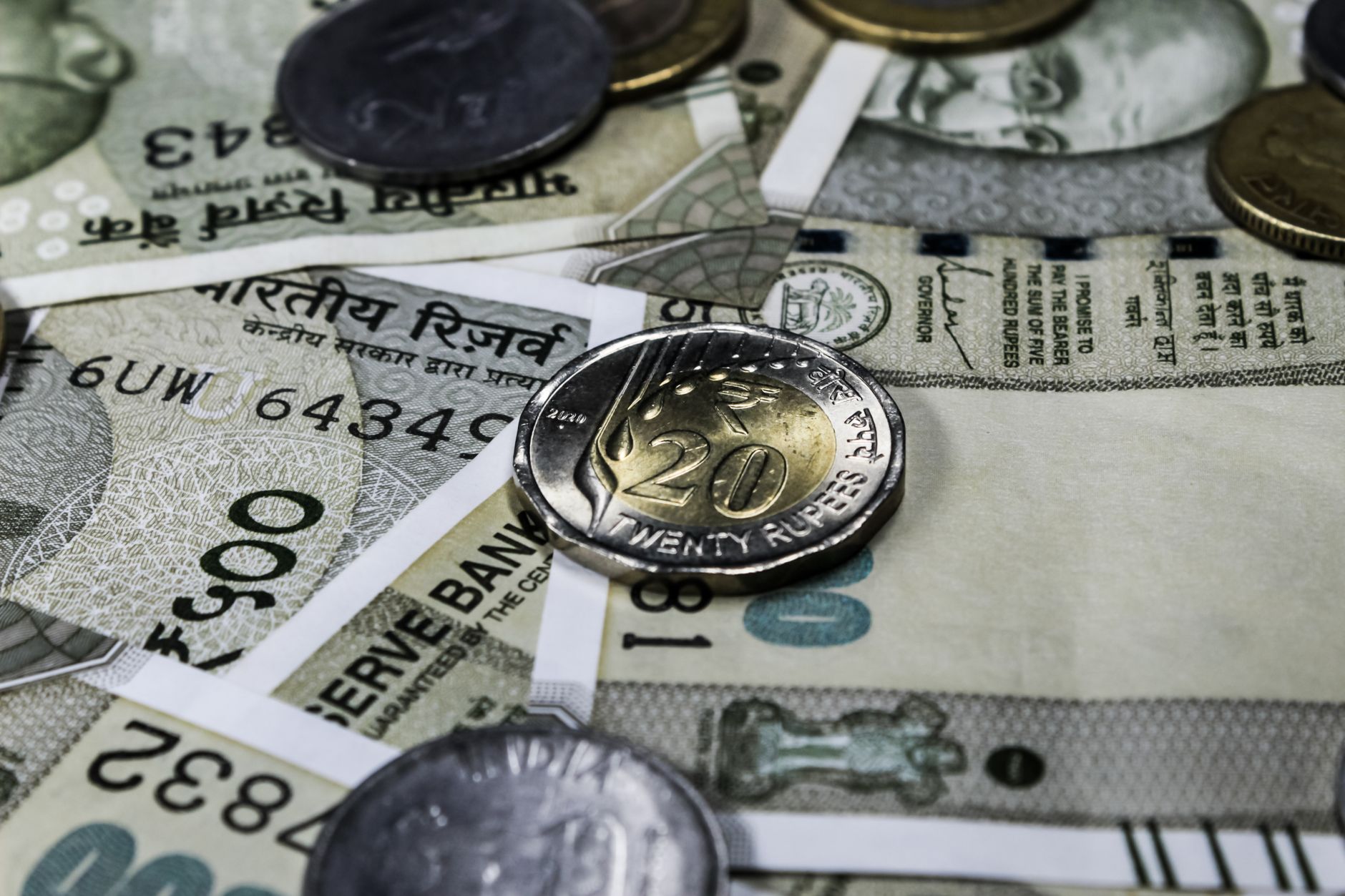
Photo by Ravi Roshan on Pexels
References
Related reading
NSE IPO Subscription: Is It the Best Investment Opportunity? · PAHC Q2 2026 Earnings: Best EPS Beat by 16.87% Revealed · JARO Q2 Results: Best Insights for Smart Investors