John Peterson
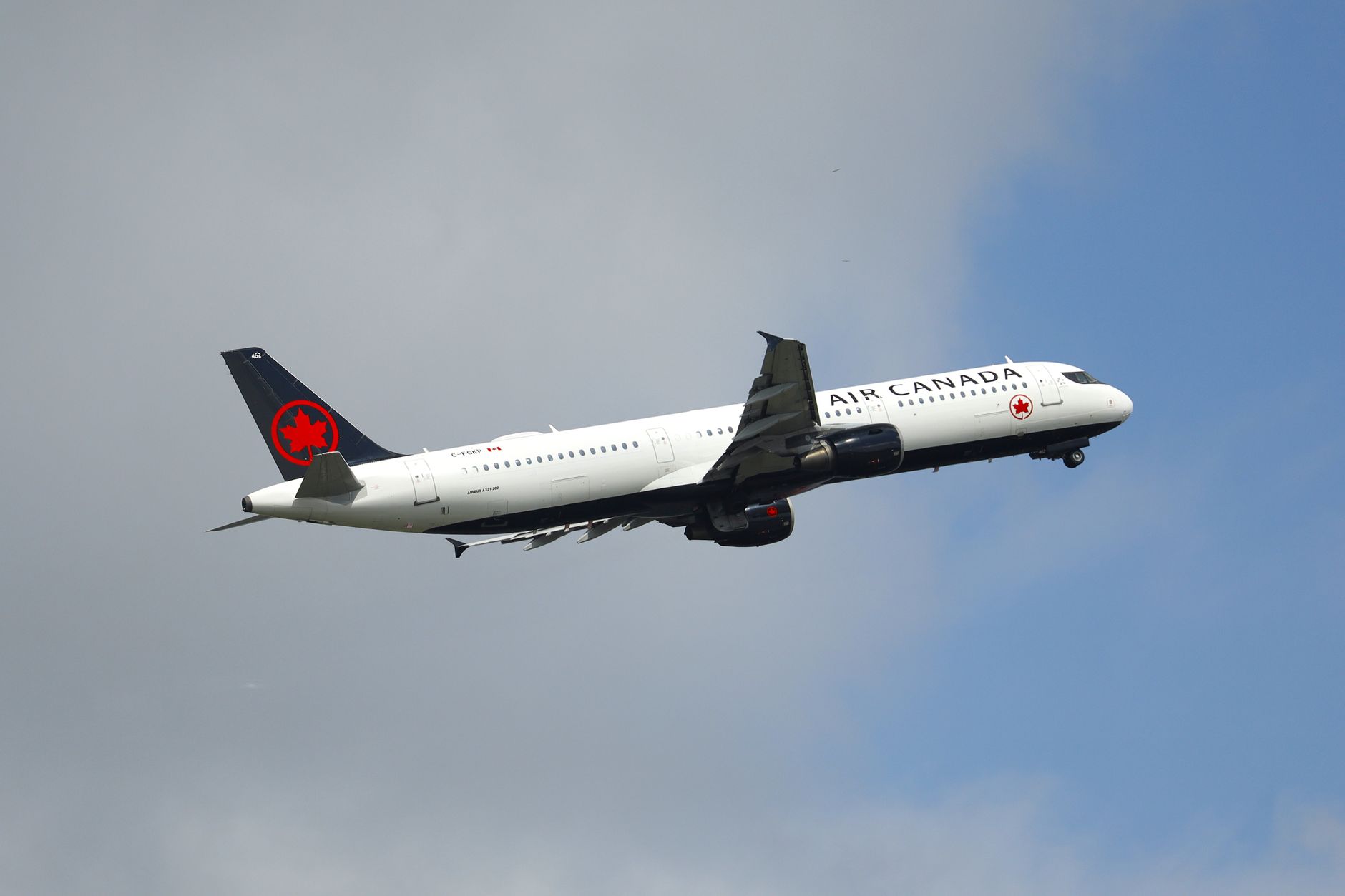
Air Canada fuel miscalculation remains a significant concern in aviation safety. In 1983, an Air Canada Boeing 767 ran out of fuel at 41,000 feet due to a critical error in fuel calculation.
The 1983 Air Canada Incident
In 1983, an Air Canada Boeing 767 experienced a critical situation when it ran out of fuel at 41,000 feet, leading to a dramatic emergency landing. This incident was attributed to a significant fuel miscalculation, where fuel was incorrectly calculated in pounds instead of kilograms. As a result, the aircraft was not provided with enough fuel for its journey, which ultimately put the lives of passengers and crew at risk.
The event highlighted the importance of precise fuel calculations in aviation and prompted changes in safety protocols. It also raised awareness about the potential consequences of fuel miscalculations, a topic that remains relevant in discussions about air travel safety today. The 1983 Air Canada incident serves as a reminder of the critical nature of accurate fuel management within the aviation industry.
Understanding Fuel Calculation Errors
Fuel calculation errors can have dire consequences for airlines, as demonstrated by the Air Canada fuel miscalculation incident. Precision in fuel measurement is crucial for flight safety and efficiency. A miscalculation can lead to inadequate fuel reserves, jeopardizing the aircraft’s ability to reach its destination safely.
Common causes of these errors include:
- Incorrect weight conversions: Fuel is often measured in pounds, while other metrics may use different systems.
- Human error: Manual input mistakes can occur during the planning phase.
- Inaccurate data: Reliance on outdated or incorrect information can skew fuel calculations.
Understanding these factors is essential to prevent future incidents and ensure passenger safety.
Implications for Aviation Safety
The recent Air Canada fuel miscalculation raises significant concerns regarding aviation safety. Accurate fuel calculations are crucial for ensuring that aircraft have sufficient fuel for their journeys, especially during emergencies. A miscalculation can lead to dire consequences, as evidenced by the 1983 Air Canada incident, where a Boeing 767 ran out of fuel at 41,000 feet.
In light of this event, the implications for aviation safety are profound. Airlines must prioritize rigorous training for their flight crews and ground staff to prevent similar errors. Additionally, implementing advanced technology for fuel management could significantly reduce the risk of fuel miscalculations.
Ultimately, the Air Canada fuel miscalculation serves as a stark reminder that even minor errors in operational procedures can have catastrophic outcomes, underscoring the need for vigilance in the aviation industry.
Lessons Learned from Historical Mistakes
The 1983 Air Canada incident serves as a stark reminder of the critical importance of accurate fuel calculations in aviation. This miscalculation, which led to a Boeing 767 running out of fuel at 41,000 feet, highlights several key lessons that remain relevant today.
- Importance of Training: Continuous training for flight crews on fuel management is essential to prevent similar errors.
- Technological Advances: Modern aircraft now come equipped with sophisticated fuel management systems that help mitigate human error.
- Regulatory Oversight: Enhanced regulations and regular audits ensure airlines adhere to stringent fuel calculation protocols.
In light of the recent Air Canada fuel miscalculation, it is evident that the aviation industry must remain vigilant. Learning from past mistakes is crucial for improving safety standards and maintaining public trust.
Photo by Glen Zi 加侖子 on Pexels