
 John Peterson
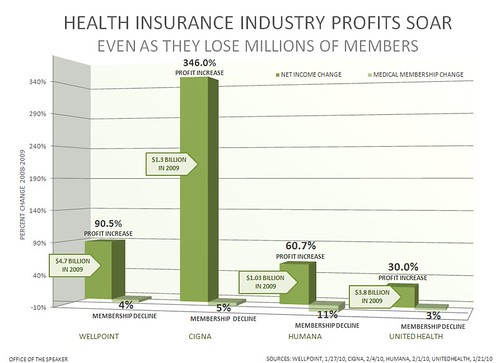
health insurer profits have surged in recent months, driven by rising premiums that are impacting consumers nationwide. This trend raises important questions about affordability and access to care.
Understanding Recent Profit Trends
Recent data indicates a significant rise in health insurer profits, a trend that has garnered attention as premiums continue to escalate. Analysts attribute this surge to several interrelated factors that have shaped the insurance landscape.
One major influence is the increasing cost of healthcare services, which has compelled insurers to raise premiums to maintain profitability. As expenses rise, insurers often pass on those costs to consumers, resulting in higher premiums that contribute directly to their bottom lines.
Another factor is the consolidation within the health insurance market. With fewer companies competing, larger insurers can exert greater control over pricing strategies, leading to increased profit margins. This consolidation can limit choices for consumers, which may further entrench profit patterns.
Additionally, many insurers have reported a decrease in claims during certain periods, particularly during the height of the pandemic when elective procedures were largely halted. This decline in claims has allowed insurers to retain more of the premiums collected, bolstering their profits.
- Rising healthcare costs
- Market consolidation
- Decrease in claims during specific periods
As these dynamics continue to unfold, the conversation surrounding health insurer profits remains critical, especially for consumers facing higher premium costs.
Impact of Premium Increases
The recent surge in health insurer profits can be directly linked to substantial increases in premium rates. As consumers face higher costs for coverage, insurers have reported significant financial gains, raising concerns about the impact on policyholders.
Many experts believe that this trend reflects a combination of factors influencing the health insurance landscape:
- Rising Healthcare Costs: The overall expense of medical services continues to climb, pushing insurers to raise premiums to maintain profitability.
- Regulatory Changes: Adjustments in regulations have allowed insurers more flexibility in setting premium rates, which has contributed to their growing profits.
- Market Demand: With an increasing number of individuals seeking coverage, insurers are capitalizing on heightened demand, leading to enhanced profit margins.
As the financial performance of health insurers improves, consumers are left questioning the sustainability of these premium hikes. Many are concerned about the long-term implications for accessibility and affordability of healthcare. The disparity between insurer profits and consumer affordability highlights a critical issue that policymakers may need to address in the near future.
Consumer Reactions to Rising Costs
As health insurer profits continue to soar, consumers are feeling the impact of rising costs. Many individuals and families are expressing concern over the increasing premiums that accompany their health plans. In a recent survey, a significant number of respondents reported feeling the financial strain of higher healthcare costs.
Some common reactions among consumers include:
- Increased Anxiety: Many individuals are worried about how to afford necessary medical care due to rising premium rates.
- Frustration: A sense of frustration is prevalent, as consumers feel that while insurers are reporting record profits, they are left to navigate higher expenses.
- Calls for Transparency: Consumers are demanding more transparency from health insurers, seeking clarity on where premium dollars are being allocated.
- Seeking Alternatives: In light of the increasing costs, some individuals are exploring alternative health plans or looking for ways to reduce their coverage.
As health insurer profits reach new heights, it remains to be seen how these reactions will influence future policy changes and the ongoing discussion surrounding healthcare affordability.
Future Predictions for the Insurance Market
As the health insurance landscape continues to evolve, experts predict a complex future for the market, particularly in light of the recent surge in health insurer profits. Analysts anticipate that these trends will shape both insurer strategies and consumer choices moving forward.
Several factors will influence the trajectory of health insurance profits:
- Regulatory Changes: Potential legislation aimed at controlling premium rates could affect profitability. Insurers may need to adapt their business models to comply with new regulations while maintaining profits.
- Healthcare Costs: Rising healthcare costs, driven by advances in medical technology and aging populations, could lead to further premium increases, impacting both consumers and insurers.
- Market Competition: Increased competition among insurers may pressure companies to offer more competitive rates, potentially squeezing profit margins.
- Technological Advancements: Innovations in healthcare delivery and insurance technology could enhance operational efficiencies, allowing insurers to maintain profits even as they adjust their pricing structures.
In conclusion, while health insurer profits are predicted to remain robust in the short term, the long-term outlook will depend on how these various factors play out in the dynamic healthcare environment.
Regulatory Responses to Profit Growth
As health insurer profits continue to soar, regulators are increasingly scrutinizing the industry’s practices and profit margins. This surge in profitability, attributed largely to premium increases, has prompted a range of responses from state and federal agencies aimed at ensuring consumer protection and market stability.
Several key actions have emerged in response to the rising profits:
- Enhanced Oversight: Regulatory bodies are implementing stricter oversight measures to monitor the financial health of health insurers and their justification for premium hikes.
- Public Hearings: Some states are holding public hearings to address consumer concerns and assess the impact of rising costs on access to healthcare.
- Proposals for Rate Caps: Legislators are considering proposals that would impose caps on premium increases in order to protect consumers from excessive costs.
- Transparency Initiatives: There is a push for greater transparency in how health insurers calculate their rates and profits, allowing consumers to better understand their plans.
These regulatory responses reflect growing pressure from the public and advocates, who argue that the substantial health insurer profits achieved during a time of rising healthcare costs highlight the need for more accountability and equitable practices in the insurance sector.
Comparative Analysis of Health Insurers
The recent surge in health insurer profits has sparked significant interest among industry analysts. A comparative analysis of leading health insurers reveals notable disparities in profit margins and operational strategies. Major players like UnitedHealth Group and Anthem have reported robust earnings, attributed primarily to rising premiums and cost management efficiencies.
In contrast, smaller insurers such as Centene and Molina Healthcare have faced challenges, with profit margins not keeping pace with their larger counterparts. This divergence raises questions about market dynamics and sustainability in the long term.
Factors contributing to the varying profit performances include:
- Membership Growth: Larger insurers have expanded their customer bases, benefiting from economies of scale.
- Diversity of Services: Companies offering a wider range of health services can leverage additional revenue streams.
- Operational Efficiency: Investments in technology and streamlined processes have allowed some insurers to reduce costs significantly.
As health insurer profits continue to soar, the implications for consumers and the overall healthcare system become increasingly complex. Stakeholders are closely monitoring these trends to understand the future trajectory of the industry.
Exploring the Reasons Behind Profit Surges
The recent surge in health insurer profits can be attributed to a combination of factors that have reshaped the industry landscape. One primary reason is the consistent increase in premiums, which has allowed insurers to expand their profit margins significantly. As consumers face higher out-of-pocket costs, insurers have been able to leverage these changes to maximize their revenues.
Additionally, the ongoing rise in healthcare utilization post-pandemic has contributed to a spike in claims, prompting insurers to adjust their pricing strategies more aggressively. This adjustment has led to a widening gap between the costs of coverage and the premiums charged, ultimately benefiting the bottom line of health insurers.
Another factor influencing these profit surges is the increased focus on administrative efficiencies and technological advancements. Many health insurers have invested in digital solutions to streamline operations, reduce overhead costs, and enhance customer experience, further boosting profitability.
Moreover, the competitive nature of the market has compelled insurers to innovate and differentiate their offerings, allowing them to capture a larger market share. These combined elements provide a clearer picture of why health insurer profits have soared amid premium increases, highlighting the complex dynamics at play within the industry.
What This Means for Policyholders
The recent surge in health insurer profits has significant implications for policyholders. As premiums continue to rise, many consumers are left grappling with the impact on their finances and healthcare access. Understanding how these profit increases influence policyholders is crucial for navigating the current insurance landscape.
One major concern is that higher profits for health insurers may not translate into better services or coverage for consumers. Policyholders may find themselves facing increased out-of-pocket costs, limited provider networks, or reduced benefits, even as insurers report record earnings. This disconnect creates a challenging environment where consumers feel the brunt of rising healthcare costs without seeing corresponding improvements in their insurance plans.
Moreover, the profitability of health insurers raises questions about the industry’s prioritization of shareholder returns over patient care. With health insurer profits soaring, there is an underlying fear that the focus may shift further away from the needs of policyholders. As consumers continue to voice their concerns, it is essential for insurers to demonstrate their commitment to providing quality care and support, rather than merely focusing on financial gains.
Ultimately, policyholders must remain vigilant and informed as they navigate their options in a market characterized by significant profit growth.
By Speaker Nancy Pelosi via Openverse
