John Peterson
RBI repo rate hike has prompted experts to reevaluate investment strategies. With the recent increase, many are wondering if now is the right time to sell stocks and buy government-backed bonds.
Understanding the RBI Repo Rate Hike
The Reserve Bank of India (RBI) recently announced a repo rate hike of 25 basis points, bringing the rate to a new level. This decision has significant implications for both borrowers and investors in the financial market.
The repo rate is the rate at which the RBI lends money to commercial banks, and any change in this rate can influence the entire economy. When the RBI increases the repo rate, it generally leads to higher interest rates on loans, making borrowing more expensive. Conversely, it can also lead to more attractive returns on fixed-income investments such as bonds.
Experts suggest that this RBI repo rate hike could be a strategic moment for investors to consider reallocating their portfolios. Here are some key points to understand:
- Impact on Stocks: Higher borrowing costs may dampen corporate profits, prompting some investors to reconsider their equity holdings.
- Bond Market Appeal: Government-backed bonds may become more appealing as they offer safer returns in a volatile market.
- Future Rate Trends: Analysts anticipate further rate hikes, suggesting a potential shift in investment strategies moving forward.
In summary, the recent RBI repo rate hike offers both challenges and opportunities for investors. It’s crucial to weigh these factors carefully when making investment decisions.
Impact on Stock Market
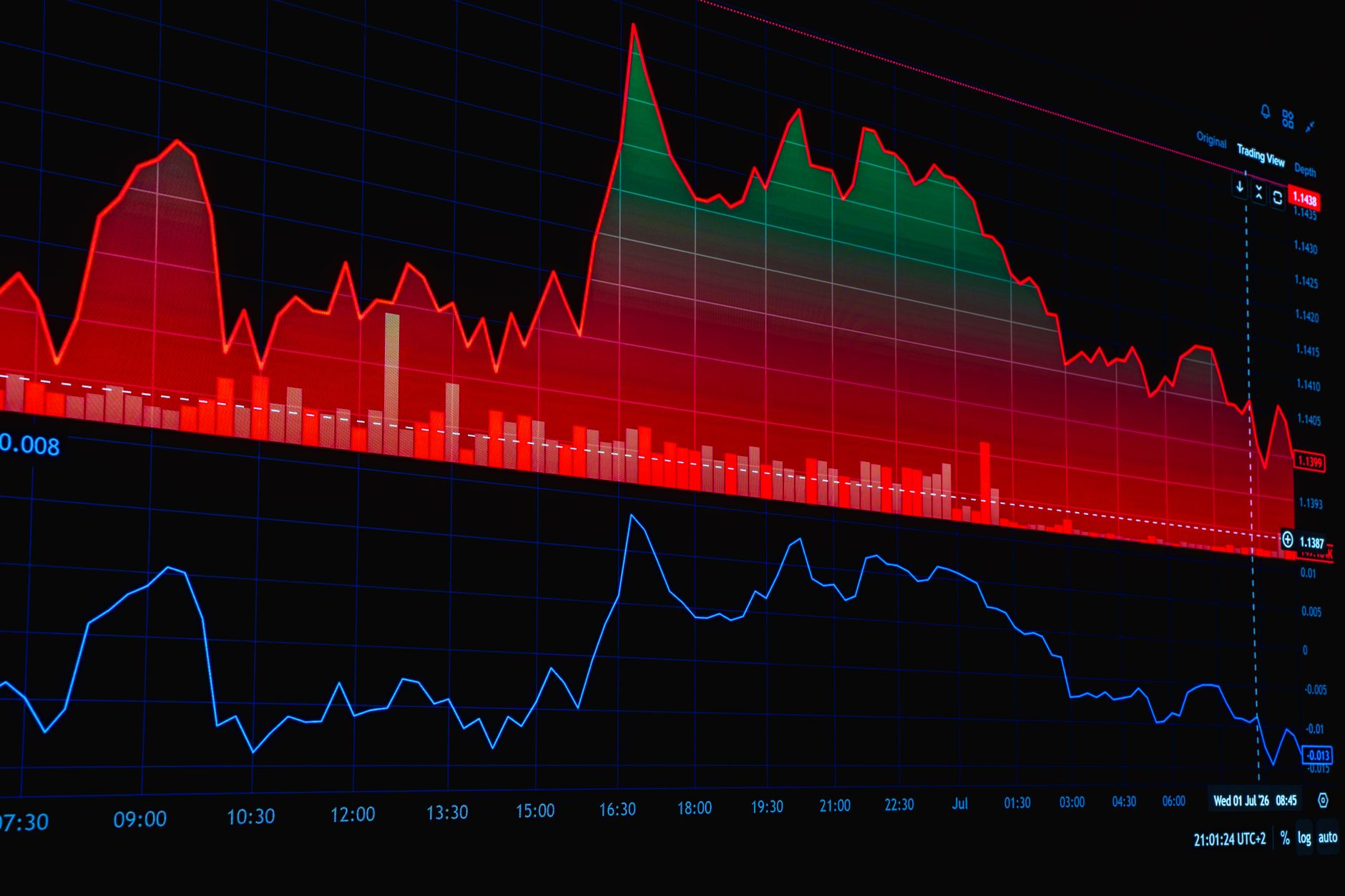
The recent RBI repo rate hike has sparked significant discussions regarding its potential impact on the stock market. Market analysts are closely monitoring the effects as investors adjust their strategies in response to the 25 basis points increase.
Historically, an increase in the repo rate can lead to a bearish sentiment in the stock market. This is primarily due to higher borrowing costs for companies, which may result in reduced profitability and slower economic growth. As a result, many investors are reconsidering their positions in equities.
Experts suggest that this could be a pivotal moment for investors, particularly those looking to diversify their portfolios. With the cost of loans rising, many are inclined to shift their focus from equities to safer investment options, such as government-backed bonds.
- Higher Interest Rates: Increased rates can lead to lower stock valuations.
- Investor Sentiment: Fear of economic slowdown may drive investors away from stocks.
- Shift in Investment Strategy: Some may view bonds as more attractive during this period.
In conclusion, the RBI repo rate hike may indeed signal a strategic shift in investment patterns, prompting a careful reevaluation of stock market positions in favor of bonds.
Should You Buy Bonds Now?
As the RBI repo rate hike has taken effect, many investors are left wondering if now is the right time to buy bonds. With interest rates on the rise, bonds could become an attractive investment option for those looking to secure steady returns.
Experts suggest that government-backed bonds may offer a safer alternative compared to stocks during periods of uncertainty. The recent increase in the repo rate indicates that the RBI is taking measures to combat inflation, which can lead to higher yields on new bond issuances. Therefore, purchasing bonds now could potentially result in better returns as rates climb.
However, before making any investment decisions, consider the following:
- Investment Horizon: Evaluate how long you intend to hold the bonds.
- Risk Tolerance: Determine your comfort level with risk, especially as bond values can fluctuate.
- Market Conditions: Keep an eye on broader economic indicators that may affect bond prices.
In summary, while the RBI repo rate hike presents opportunities in the bond market, investors should conduct thorough research and consider their financial goals before diving in.
Expert Opinions on Investment Strategies
As the RBI repo rate hike has set the financial community abuzz, experts are weighing in on the best investment strategies moving forward. With the recent increase of 25 basis points, many analysts believe that this is a pivotal moment for investors.
According to renowned financial advisor Rajesh Kumar, “The RBI repo rate hike signals a tightening of monetary policy, which typically benefits fixed-income securities like government bonds. Investors should consider reallocating their portfolios to include these safer assets.”
On the other hand, Dr. Anjali Mehta, a market analyst, stated, “While bonds are appealing, it’s essential to look at the overall economic indicators. If inflation continues to rise, the attractiveness of bonds may diminish over time.”
Many experts suggest the following strategies:
- Assess Risk Tolerance: Evaluate your ability to absorb potential losses in volatile markets.
- Diversify Investments: Consider a mix of stocks and bonds to balance risk and returns.
- Stay Informed: Keep an eye on RBI announcements and economic trends that could influence investment decisions.
In conclusion, while the RBI repo rate hike poses challenges, it also opens up opportunities for strategic investing in bonds.
Future Outlook for Financial Markets
The recent RBI repo rate hike has stirred discussions among investors regarding the future outlook for financial markets. As the central bank continues to adjust its monetary policy, analysts are closely monitoring the potential implications for various asset classes.
With the repo rate now at a higher level, the attractiveness of bonds has increased significantly. Fixed-income securities, particularly government-backed bonds, may offer a safer investment avenue, especially in a volatile stock market. Investors are reevaluating their portfolios, considering a shift towards bonds to hedge against stock market fluctuations.
Key factors influencing this outlook include:
- Inflation Trends: Persistent inflation may prompt further rate hikes, impacting both stocks and bonds.
- Global Economic Conditions: Economic slowdowns in major markets can lead to increased demand for safe-haven assets.
- Interest Rate Sensitivity: The bond market’s reaction to the RBI repo rate hike could present new opportunities for investors.
As the financial landscape evolves, experts suggest that now may be the right time to consider diversifying into bonds. The RBI repo rate hike could signal the beginning of a more cautious investment approach, prioritizing stability over high-risk returns.
Photo by Ravi Roshan on Pexels