John Peterson
Market crash factors are crucial to understand the recent turmoil, as Sensex settled 1,100 points lower and Nifty ended below 22,800. This article delves into the key reasons behind this significant decline.
Understanding the Market Crash
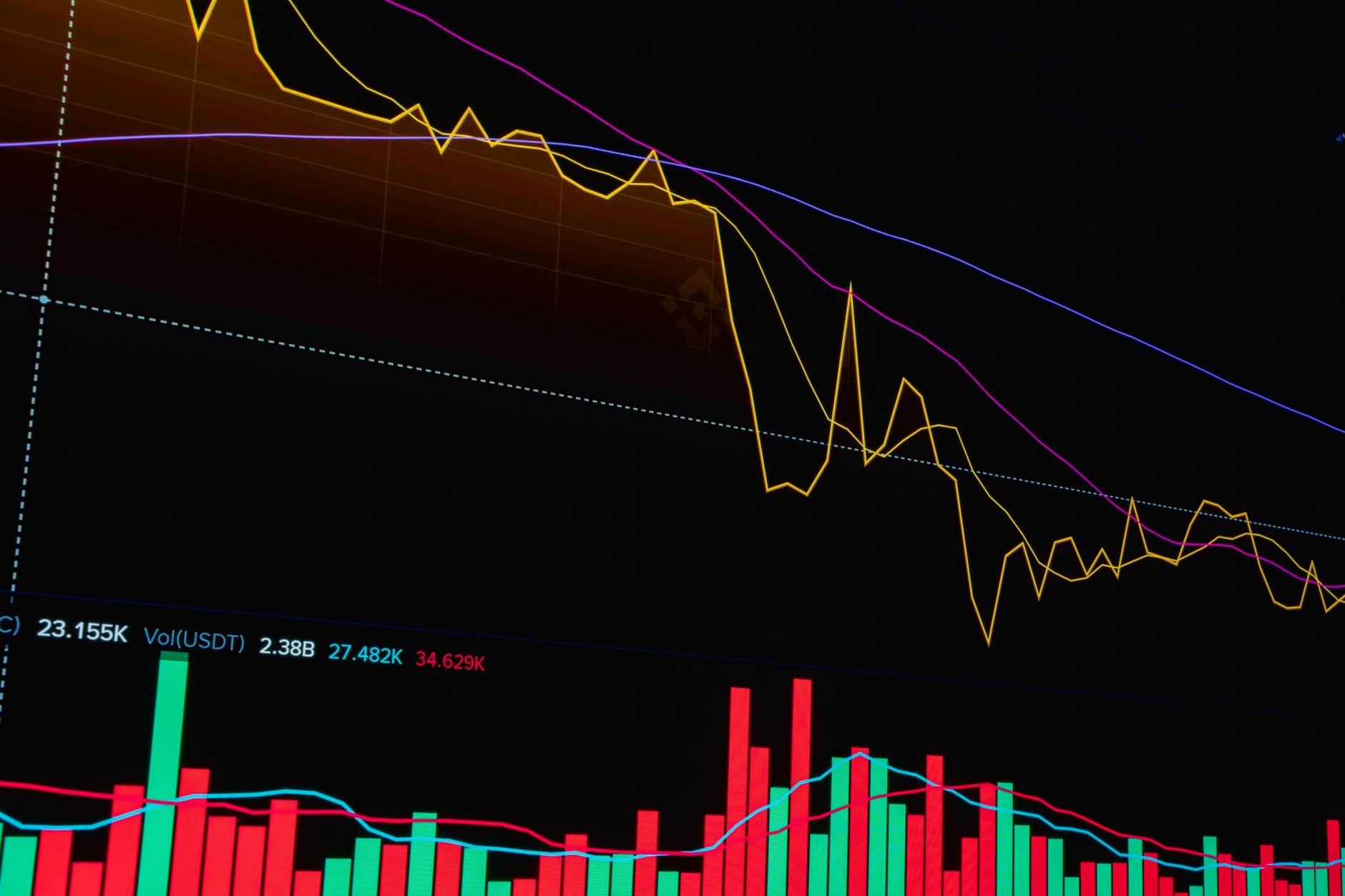
The recent market crash has left investors in shock as both the Sensex and Nifty recorded significant declines. The markets experienced a staggering drop, with the Sensex settling 1,100 points lower and the Nifty ending below the 22,800 mark. Understanding the market crash is crucial, as several factors contributed to this alarming downturn.
- Rising Inflation: Concerns over persistent inflation rates have led to increased uncertainty among investors, affecting market stability.
- Global Economic Instability: International tensions and economic slowdowns in major markets have created a ripple effect, influencing domestic trading.
- Interest Rate Hikes: Anticipated increases in interest rates by central banks have further dampened investor sentiment, leading to reduced spending and investment.
- Corporate Earnings Reports: Disappointing earnings from key companies have raised alarms, prompting a sell-off among stocks.
These market crash factors serve as a reminder of the volatility inherent in financial markets, prompting investors to remain vigilant and informed.
Key Factors Behind the Decline
The recent market crash has left investors reeling, with the Sensex plummeting by 1,100 points and the Nifty falling below 22,800. Several key factors behind the decline have contributed to this significant downturn.
Firstly, global economic uncertainties have played a pivotal role. With rising inflation rates and concerns over interest rate hikes in major economies, investor confidence has waned.
Secondly, domestic concerns such as lower-than-expected corporate earnings and geopolitical tensions have exacerbated the situation. Market analysts suggest that these domestic challenges have led to a sell-off, further influencing the market’s trajectory.
Additionally, profit booking has been rampant among retail investors, particularly after a prolonged period of gains. This trend has intensified the market’s downward movement.
In conclusion, the combination of these factors underscores the complexities that have led to the current market crash, marking a pivotal moment for investors navigating these turbulent waters.
Impact on Investors
The recent market crash has left many investors in a state of shock, as the Sensex dropped by 1,100 points and the Nifty fell below the critical 22,800 mark. This significant decline has raised concerns about the long-term viability of investments in Indian equities.
For many, the immediate impact is a stark reminder of how volatile the market can be. Investors are now grappling with potential losses and are reassessing their portfolios. The market crash factors, including rising inflation and geopolitical tensions, have created an atmosphere of uncertainty that has shaken even the most seasoned investors.
As a result, many are considering risk management strategies to protect their assets. Some common responses include:
- Diversifying portfolios to spread risk across different sectors.
- Investing in safer assets, such as bonds or gold.
- Staying informed about market trends and economic indicators.
While the market may eventually recover, the current situation serves as a critical lesson on the importance of preparedness in investment strategies.
Future Market Predictions
As analysts look ahead, future market predictions suggest a cautious outlook in light of recent events. The factors contributing to the market crash are expected to have lasting implications for both the Sensex and Nifty. Economists emphasize the need for investors to stay informed about upcoming economic indicators and global trends that may influence market stability.
Several potential scenarios could unfold:
- Continued Volatility: Short-term fluctuations may persist as investors react to ongoing news and economic reports.
- Policy Adjustments: Central banks might implement measures to stabilize the economy, which could either reassure or further unsettle the markets.
- Sector-Specific Recovery: Certain sectors may bounce back quicker than others, offering selective investment opportunities amidst the broader uncertainty.
In conclusion, understanding the market crash factors is essential for navigating the potential ups and downs ahead. Investors should remain vigilant and adaptable, ready to respond to the evolving landscape.
The recent decline in the Indian stock market has brought attention to several critical market crash factors. Understanding these market crash factors is essential for investors looking to navigate future volatility.
By InSapphoWeTrust via Openverse