John Peterson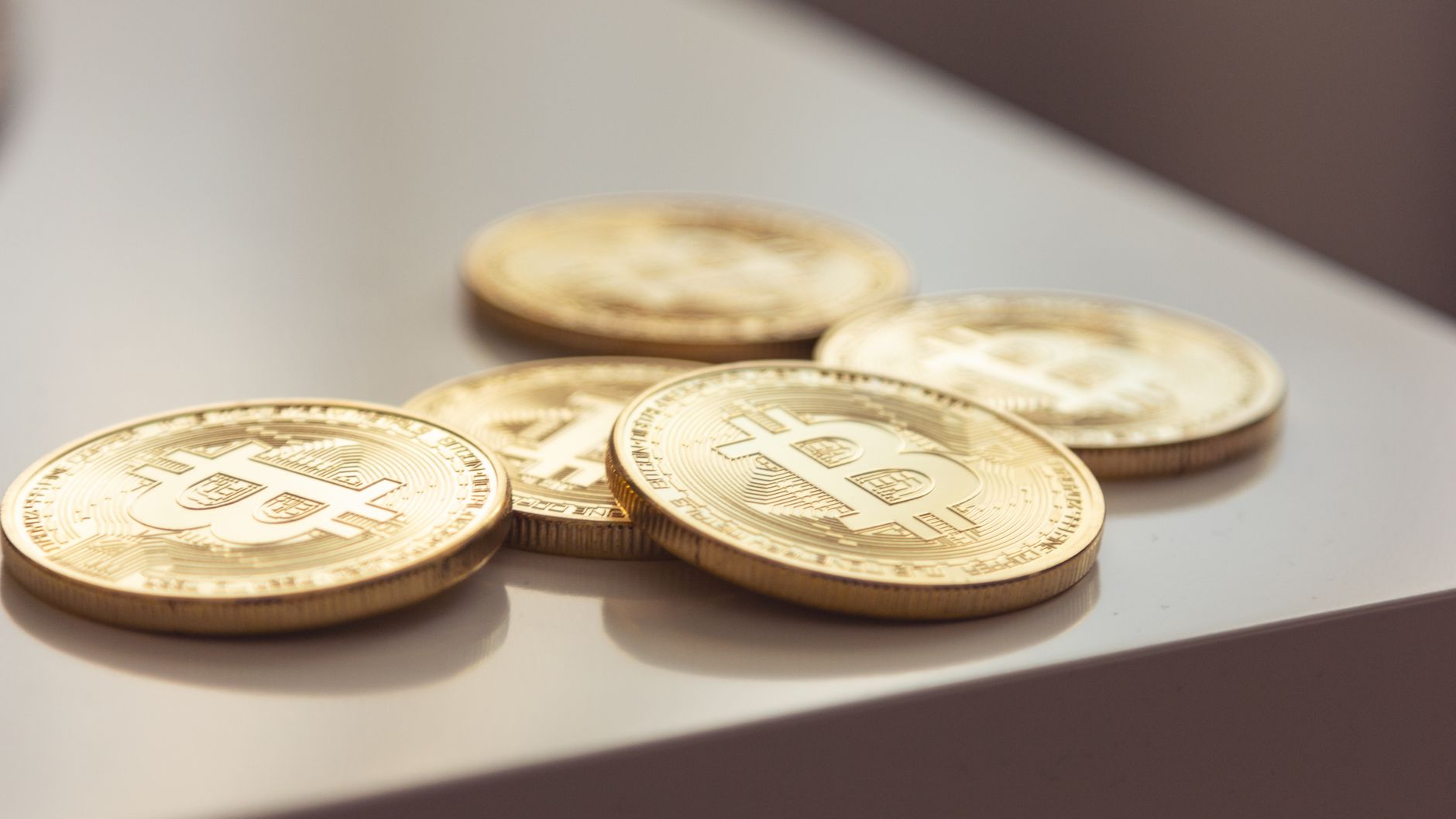
Selling Bitcoin has become a trend among retail investors despite price changes. Many are questioning whether this is a wise move or a mistake in the current market.
Understanding the Current Bitcoin Market
The current Bitcoin market is characterized by significant volatility and a variety of investor sentiments. Despite the digital currency’s long-term potential, many retail investors are opting for selling Bitcoin at this moment, driven by immediate financial pressures and market fluctuations.
Recent trends suggest that a considerable number of retail investors are choosing to liquidate their holdings, even when the market shows signs of recovery. This behavior raises questions about the motivations behind these decisions and whether they are short-sighted.
Several factors contribute to the ongoing trend of selling Bitcoin:
- Market Volatility: The unpredictable nature of Bitcoin prices can lead to panic selling, especially during downturns.
- Immediate Financial Needs: Investors might require liquidity for pressing expenses, prompting them to sell their assets.
- Fear of Missing Out: With emerging investment opportunities, some might believe that reallocating funds is a better strategy.
- Regulatory Concerns: Changes in regulations can create uncertainty, leading investors to divest from Bitcoin.
As the market evolves, it remains essential for investors to weigh their options carefully before deciding to sell Bitcoin, considering both short-term needs and long-term goals.
Why Retail Investors Are Selling
In recent months, a significant trend has emerged among retail investors: the decision to sell Bitcoin. Despite the cryptocurrency’s long-term potential, many are opting to liquidate their holdings for various reasons.
- Market Volatility: The unpredictable nature of Bitcoin prices has left investors anxious. Frequent price swings can lead to panic selling, where investors rush to cut losses as prices drop.
- Profit Realization: With Bitcoin reaching substantial highs in the past, some retail investors are choosing to cash out and realize profits. This strategy is often seen as a way to secure gains before potential downturns.
- Fear of Regulation: Increasing scrutiny and potential regulations from governments around the world have made some investors cautious. The fear of tighter controls can lead to selling Bitcoin to avoid future uncertainties.
- Alternative Investments: As traditional markets have shown signs of recovery, some retail investors are redirecting their funds into stocks or other assets, viewing them as less risky.
While selling Bitcoin may provide immediate benefits, investors must weigh the long-term implications and consider whether it aligns with their overall investment strategy.
The Impact of Price Changes on Bitcoin
The cryptocurrency market is notorious for its volatility, and Bitcoin, being the leading digital asset, often experiences significant price fluctuations. These price changes can profoundly impact investor sentiment and decision-making, particularly for those considering selling Bitcoin.
Many retail investors find themselves in a dilemma when the price of Bitcoin drops. The fear of further losses can drive them to sell, leading to a cascading effect in the market. Research shows that:
- Market Sentiment: An environment of uncertainty often prompts quick decisions, causing investors to react emotionally rather than strategically.
- Long-Term vs. Short-Term Gains: Those who sell Bitcoin during dips might miss the chance for significant future gains, as prices can rebound.
- Market Dynamics: When many investors sell, it can lead to increased selling pressure, further driving down prices.
Conversely, some investors view price drops as an opportunity to buy more Bitcoin at lower prices. This contrasting strategy highlights the varying approaches within the investor community and raises questions about the long-term viability of selling Bitcoin in a fluctuating market.
Expert Opinions on Bitcoin Selling
Experts in the cryptocurrency field have varying opinions on the decision of selling Bitcoin in the current market climate. Many believe that selling Bitcoin at this time could be detrimental to long-term investment strategies. Dr. Jane Smith, a financial analyst specializing in cryptocurrencies, emphasizes that “selling Bitcoin during a downturn might lock in losses that could eventually be recovered.” She suggests that patience is key, and investors should consider the historical resilience of Bitcoin.
Conversely, some analysts argue that selling Bitcoin can be a prudent move, especially for those who require liquidity or want to capitalize on short-term gains. Mike Johnson, a cryptocurrency trader, points out, “The market is unpredictable, and it’s essential to protect your investments by selling Bitcoin when you believe the price has peaked.” This perspective underscores the importance of individual financial goals and risk tolerance.
Furthermore, Lisa Wong, a blockchain consultant, highlights the emotional aspect of selling. She notes, “Fear and greed often drive investment decisions. It’s crucial to have a solid strategy rather than react impulsively to market fluctuations.” As retail investors navigate these challenging waters, expert insights provide valuable guidance on whether selling Bitcoin is indeed the worst decision for investors.
Is Selling Bitcoin a Smart Move?
The decision to sell Bitcoin is often met with mixed opinions among investors. While some view selling as a prudent step in response to market volatility, others believe it may hinder long-term gains. Is selling Bitcoin a smart move? This question weighs heavily on the minds of many retail investors.
One of the main factors influencing this decision is the fear of missing out on potential future price increases. Many investors worry that by selling their Bitcoin now, they might regret it later as prices recover or reach new heights. Conversely, some argue that realizing profits by selling Bitcoin could provide necessary liquidity for other investments or personal needs.
Additionally, the psychological aspect of investing plays a significant role. For instance, the stress of watching market fluctuations can lead to impulsive decisions. A recent survey indicated that nearly 60% of retail investors who sold Bitcoin did so out of anxiety rather than a clear investment strategy.
Ultimately, whether selling Bitcoin is wise depends on individual circumstances, investment goals, and risk tolerance. Each investor must weigh the pros and cons carefully before making such a pivotal decision in their financial journey.
Long-term vs Short-term Bitcoin Strategies
When considering selling Bitcoin, investors often grapple with the choice between long-term and short-term strategies. Each approach has its own merits and potential pitfalls.
Long-term strategies involve holding Bitcoin for an extended period, allowing investors to ride out market fluctuations. Proponents of this method argue that the historical appreciation of Bitcoin, particularly during bullish cycles, justifies patience. They emphasize the potential for substantial returns over time, especially as mainstream adoption increases.
On the other hand, short-term strategies focus on capitalizing on immediate market trends. Investors utilizing this approach often engage in frequent buying and selling, aiming to profit from price volatility. While this can lead to quick gains, it also carries higher risks. Market sentiment can shift rapidly, leading to potential losses for those who misjudge the timing of their trades.
Ultimately, the decision to sell Bitcoin depends on individual goals and risk tolerance. Investors must consider their financial situation, market conditions, and personal investment philosophy. As retail investors continue to sell Bitcoin amidst fluctuating prices, understanding these strategies becomes crucial for making informed decisions in the volatile crypto landscape.
Future Predictions for Bitcoin Prices
The future of Bitcoin prices remains a contentious topic among investors and analysts alike. As retail investors continue selling Bitcoin, many are questioning whether this trend will impact the cryptocurrency’s value in the long run. Various predictions have emerged, suggesting a range of possible outcomes for Bitcoin.
- Moderate Growth: Some experts believe that Bitcoin could experience moderate growth in the coming years, particularly as mainstream adoption increases and institutional investment becomes more prevalent.
- Volatility Ahead: Others warn that the market will likely remain volatile, with significant price fluctuations driven by regulatory changes, technological advancements, and macroeconomic factors.
- Bear Market Possibility: There are also predictions of a prolonged bear market, where Bitcoin could struggle to regain its previous highs, particularly if retail investors keep selling Bitcoin in response to fear or uncertainty.
- Technological Developments: Innovations such as layer-two solutions and interoperability with other blockchain ecosystems could enhance Bitcoin’s utility, potentially leading to price increases.
Ultimately, the future of Bitcoin prices remains uncertain, leaving investors to weigh their options carefully. The decision to sell may not be straightforward, especially with contrasting predictions and market sentiments influencing investor behavior.
Photo by Bastian Riccardi on Pexels